
News & analysis/Analysis
Gen Z and the New Wave of Revolutions
Gabriella Pinto·25 October 2025·2 min read
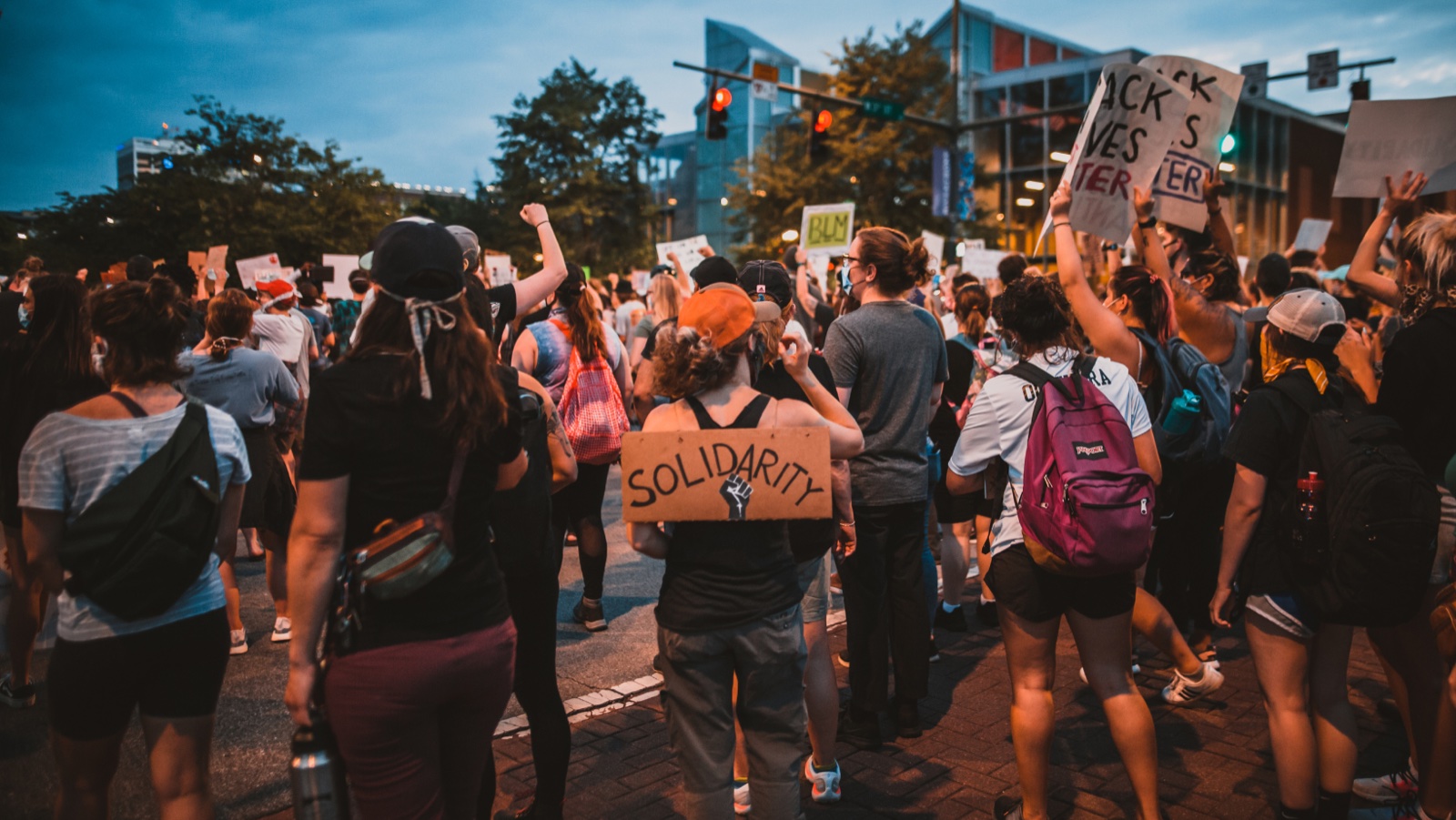
In the past few years, a quiet but powerful force has started to change politics across Asia and beyond: Generation Z. Often seen as less active than older generations, they are now challenging, and even overturning, governments. Connected through social media, shaped by global crises, and tired of corrupt leaders, young people are taking on a role their parents never did — that of revolutionaries.
01The Latest Flashpoints
In recent weeks, Morocco has become the latest stage of a growing wave of Gen Z–led revolts. The movement began after 10 women died in a public hospital in Agadir, exposing deep problems in healthcare and public services. What started as a local protest quickly spread across the country, with thousands of young Moroccans — many of them students — taking to the streets in cities like Casablanca, Rabat, and Marrakesh to demand better healthcare, education, and job opportunities. The protests are mostly organized through social media platforms such as Discord, TikTok, and Instagram. Even though there is no clear leader, the movement is united by anger over corruption and inequality, and by hope for real change. Clashes with security forces have already turned deadly, while the government has promised dialogue.
This wave of youth activism mirrors what recently happened in Nepal. There, protests broke out after the government banned 26 social media platforms, including WhatsApp, Instagram, Facebook, and YouTube. What began as student demonstrations soon grew into nationwide unrest, forcing the Prime Minister to resign. The banned platforms had been the main tools young people used to organize; when they were blocked, crowds gathered in Kathmandu to sing, give speeches, and demand accountability. The protests turned violent, leaving 22 dead, with the parliament and even some politicians’ homes set on fire.
A similar movement has also shaken Peru, where thousands of young people have protested against political corruption and police violence. The demonstrations began after yet another president was removed from office, but quickly became a wider rejection of the entire political class. Students and young professionals have played a central role, using social media to share information, coordinate protests, and document abuses. Their rallying cry — “No tenemos miedo” (“We are not afraid”) — has become a symbol of courage across Latin America.
In all three countries, the unrest points to the same problems: corruption, poverty, weak public services, and a growing feeling among young people that their futures are being taken from them. In Nepal, the crisis even led to an unusual response — the new interim leader, Sushila Karki, was chosen through a public vote on Discord, a platform once used mainly by gamers but now turned into a tool for digital democracy.
The youth of Morocco, Nepal, and Peru are showing that a digitally connected and politically aware generation is no longer willing to accept the status quo.
02A Pattern Across the World
Similar youth-led movements have flared up elsewhere over the past years.
In Indonesia, student protests known as “Dark Indonesia” erupted on February 20, 2025, targeting President Prabowo Subianto’s budget cuts and other policies. Students in cities such as Yogyakarta, Jakarta, and Medan marched in protest, fearing that the government was weakening social support systems and favouring elites.
Likewise, in Kenya, youth protests grew intense over rising living costs, police brutality, and government corruption. A landmark moment was June 25, 2024, when thousands stormed the Kenyan Parliament Building in Nairobi in response to the Finance Bill of 2024, which proposed controversial tax hikes. The unrest continued into mid-2025, with further protests around June 25, 2025, marking the anniversary and pushing again on demands for accountability.
In Sri Lanka in 2022, thousands of young protesters stormed the presidential palace, forcing the president to flee and making way for a younger leader who vowed to fight corruption. In Bangladesh in 2024, student protests ousted the president and led to a caretaker government headed by a Nobel Peace Prize laureate, who promised new elections.
The common thread in all these cases is a large, young population with access to social media and a growing impatience with elites who seem unaccountable.
03A Generational Break
What makes Gen Z different is not just their digital skills, but their determination. They are doing what older generations never dared to do: openly challenging those in power, even when it leads to conflict. In countries like Nepal, Sri Lanka, and Bangladesh, their courage has already changed the political scene.
Still, the future is uncertain. The new governments that came out of these crises now face huge expectations: to fight corruption, improve public services, and create real opportunities. If they fail, another wave of unrest could follow.
04The Digital Rebels
These protests are not just random events, they mark a generational shift. All over the world, Gen Z is showing that it refuses to accept poverty, corruption, and exclusion as normal.
Armed with smartphones instead of weapons, driven by anger but also by hope, young people are reshaping the way political change happens. Their actions may be chaotic at times, but their message is clear: a new generation has arrived, and it will not be ignored.